
Category: Uncategorized
-

FlexPack Ticker Week 43: Mono-PE, Active Films, and the PPWR – a real-world test
Current news reports show two sides of our industry: Technically, visible progress is being made with mono-materials, active packaging, and digital solutions. At the same time, demand, costs, and regulation remain a burden. What is particularly interesting is that sustainability is increasingly shifting from individual material issues toward processes, data, and economic feasibility. Mono-PE spouted…
-
Recycled Content in Packaging: Key Considerations for Food and Cosmetics
Recyclates in packaging play an increasingly important role in the circular economy. However, especially when it comes to food and cosmetics packaging, simply using more recycled plastic is not enough. Safety, material quality, the origin of the recyclate, and legal requirements must also be taken into account. In the Innoform web seminar “Use of Recyclates…
-

Food Packaging Migration Testing: What Companies Need to Know
Food packaging must be safe and must not transfer substances to food in quantities that endanger human health or unacceptably affect the quality of the food. But which legal foundations actually apply? Which food simulants must be selected for migration testing? And how can results from migration tests be properly evaluated? That was precisely the…
-

FlexPack Ticker Week 41: Paper, EPR, Packaging Data and the Limits of Mono-Material
Tetra Pak is developing a paper-based ice cream wrapper, European associations are calling for more harmonized EPR rules and new software aims to simplify PPWR documentation and packaging optimization. At the same time, coffee pouches and a supposedly mono-PP closure show why functionality and recyclability still require a closer look. Tetra Pak tests paper-based ice…
-
PPWR and Flexible Packaging: Recyclability Targets by 2030
What requirements does the PPWR impose on flexible packaging? What measures do film manufacturers and converters need to initiate today in order to continue offering marketable packaging in 2030? These questions were addressed in the web seminar PPWR and Flexpack A: Recyclability by 2030 – What does this mean for film manufacturers and converters? presented…
-

FlexPack Ticker – Week 39: Mono-materials, green claims and new material strategies
Bayer launches a mono-PP blister, new EU rules tighten the requirements for environmental claims, and international consumer goods companies join forces to develop flexible paper packaging. These are the most relevant FlexPack news stories of the week. Bayer launches mono-PP blister for Talcid in Germany Bayer is switching the German blister packaging for Talcid to…
-
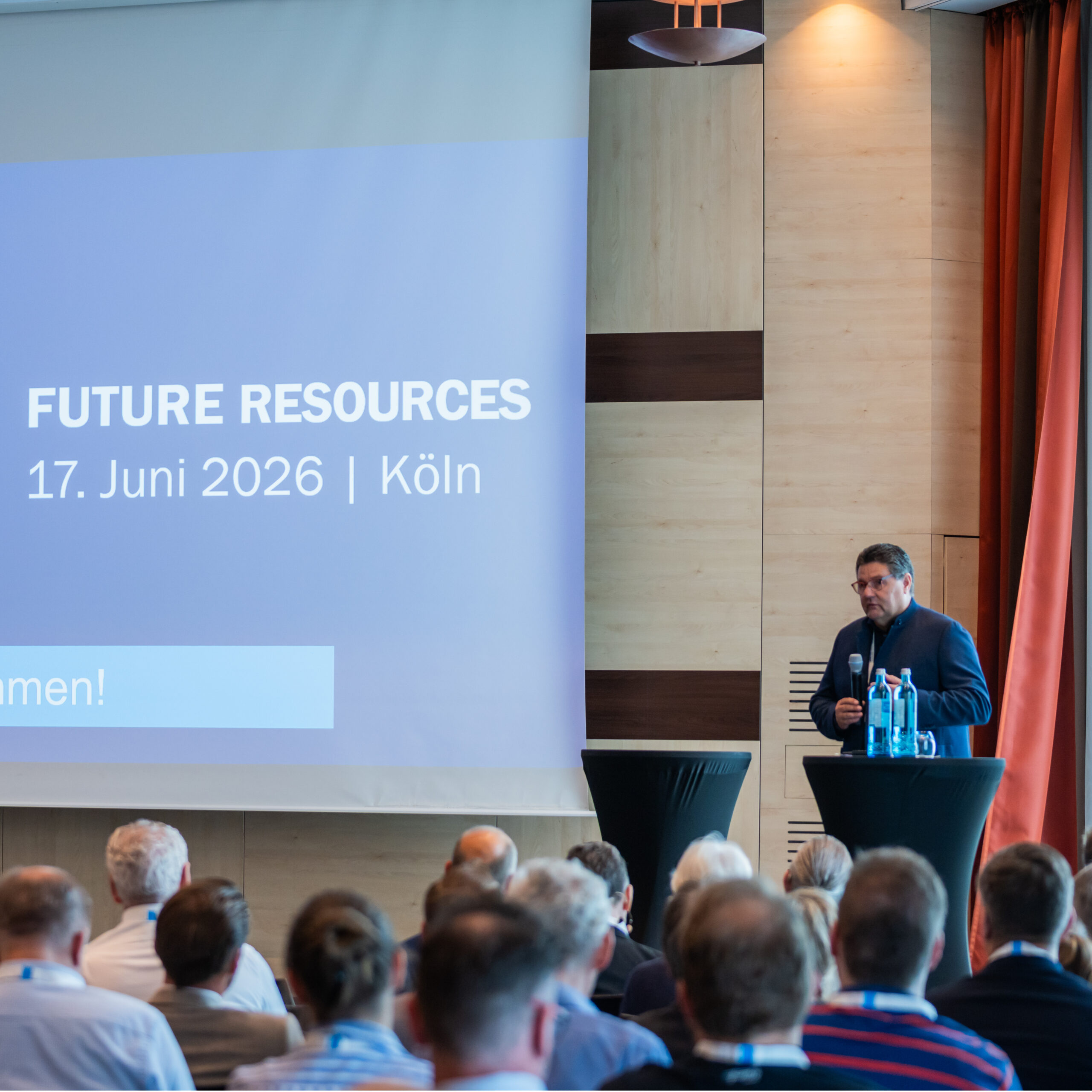
Future Resources 2026: The PPWR Is Not Just Changing Packaging – It Is Transforming the Entire Packaging Industry
From functional paper-based packaging and new producer responsibilities to the Declaration of Conformity – three developments that manufacturers of flexible packaging need to understand now. For years, the packaging industry has been discussing the same questions. How ambitious will recycled content targets become? Which mono-material structures will prevail? Which barrier properties will remain essential? And…
-
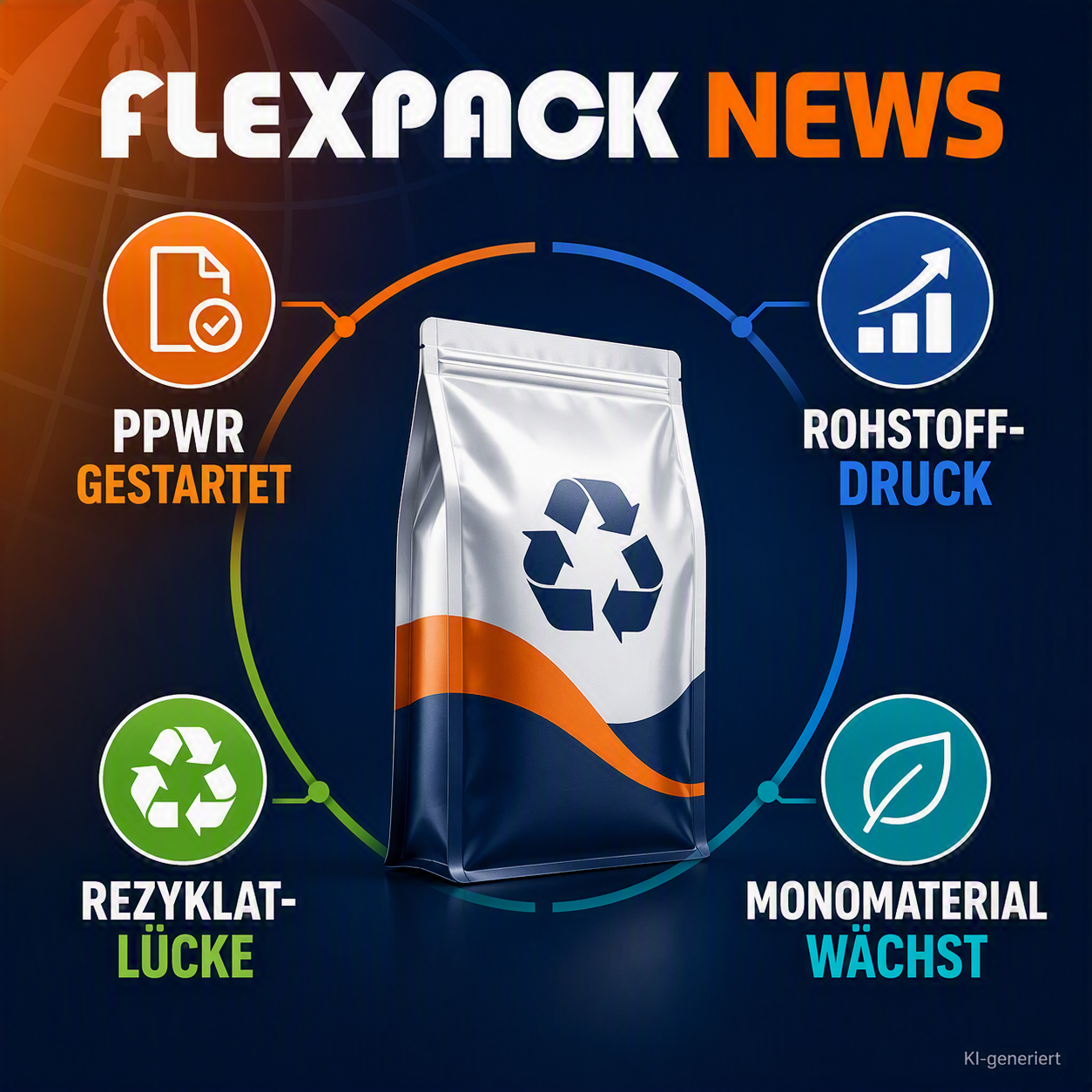
NEWS 8-26: PPWR Rollout, Raw Material Pressure and the Recyclate Gap
August 12 is here – and with it the moment the packaging industry has been working towards for months. The PPWR (Regulation (EU) 2025/40) replaces the 30-year-old Packaging Directive in all 27 Member States with immediate effect, without a transition period. Limit values for PFAS and heavy metals, labeling obligations for manufacturers and importers, the…
-
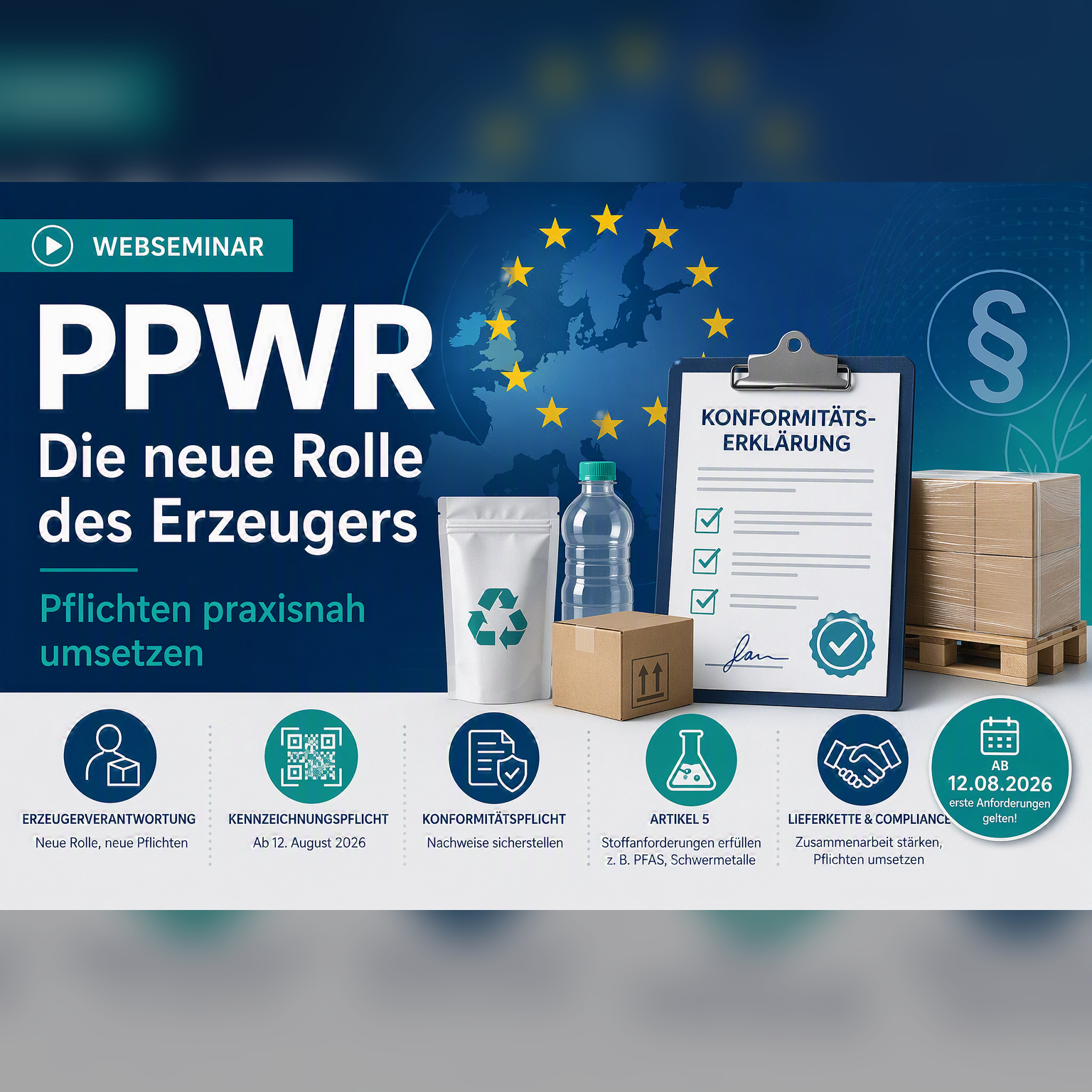
The New Role of Manufacturers Under the PPWR: Implementing Obligations in Practice
With key requirements of the European Packaging and Packaging Waste Regulation (PPWR) coming into force on 12 August 2026, many companies are faced with the question: Who is actually considered a “manufacturer” within the meaning of the regulation, and what specific obligations arise from this? Exactly these questions were the focus of the web seminar…
-

19th Amendment to the Plastics Regulation: Transition Period Expiring – What Companies Need to Know Now
The transition period for the 19th Amendment to the Plastics Regulation (EU) No 10/2011 ends on September 16, 2026. In the Innoform web seminar “19th Amendment to the Plastics Regulation (EU) No 10/2011”, Heike Schwertke explained the impact of the new regulations on manufacturers, converters, and users of food contact materials. The focus was on…