
Category: Food packaging
-

Packaging Data as a Strategic Asset: Why Companies Need a Solid Data Foundation Now
Requirements for packaging are growing rapidly. With PPWR, Digital Product Passport, EPR reporting, sustainability reports, and stricter requirements for environmental claims, the need for reliable packaging data is continuously increasing. In the Innoform web seminar The Packaging Data Basis – The Foundation for PPWR, Digital Product Passport, and AI, speaker Andre Nehlsen demonstrated why many…
-
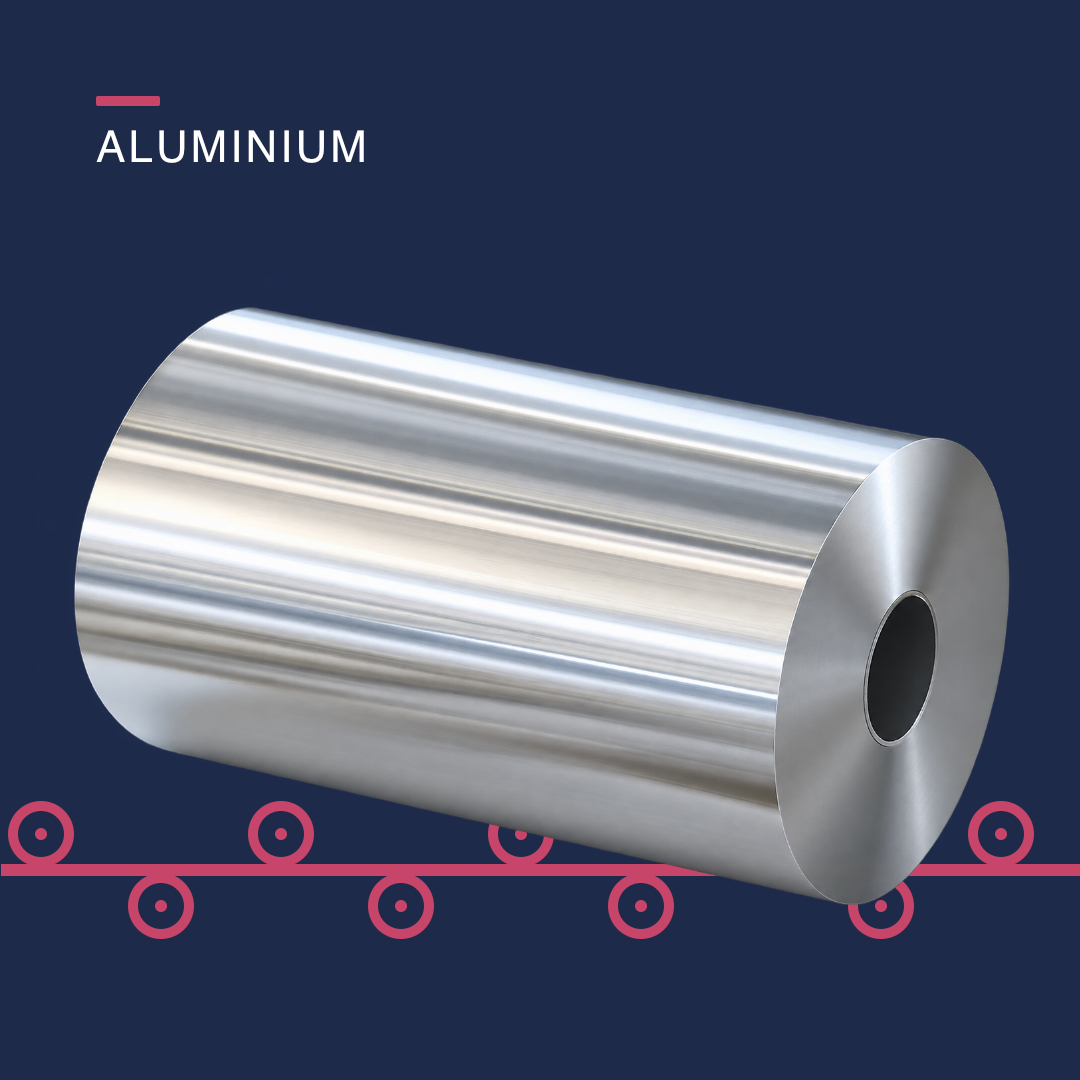
Aluminum Foil in Flexible Packaging: Thin But Technically Demanding
Aluminum foil is indispensable in many demanding packaging applications. But what actually makes this extremely thin material so high-performing? What role do alloy, foil thickness, and pinholes play? And why is aluminum particularly interesting when high barrier requirements are set for packaging? These questions were the focus of the Innoform web seminar “Aluminum Foils for…
-

FlexPack Ticker Week 43: Mono-PE, Active Films, and the PPWR – a real-world test
Current news reports show two sides of our industry: Technically, visible progress is being made with mono-materials, active packaging, and digital solutions. At the same time, demand, costs, and regulation remain a burden. What is particularly interesting is that sustainability is increasingly shifting from individual material issues toward processes, data, and economic feasibility. Mono-PE spouted…
-
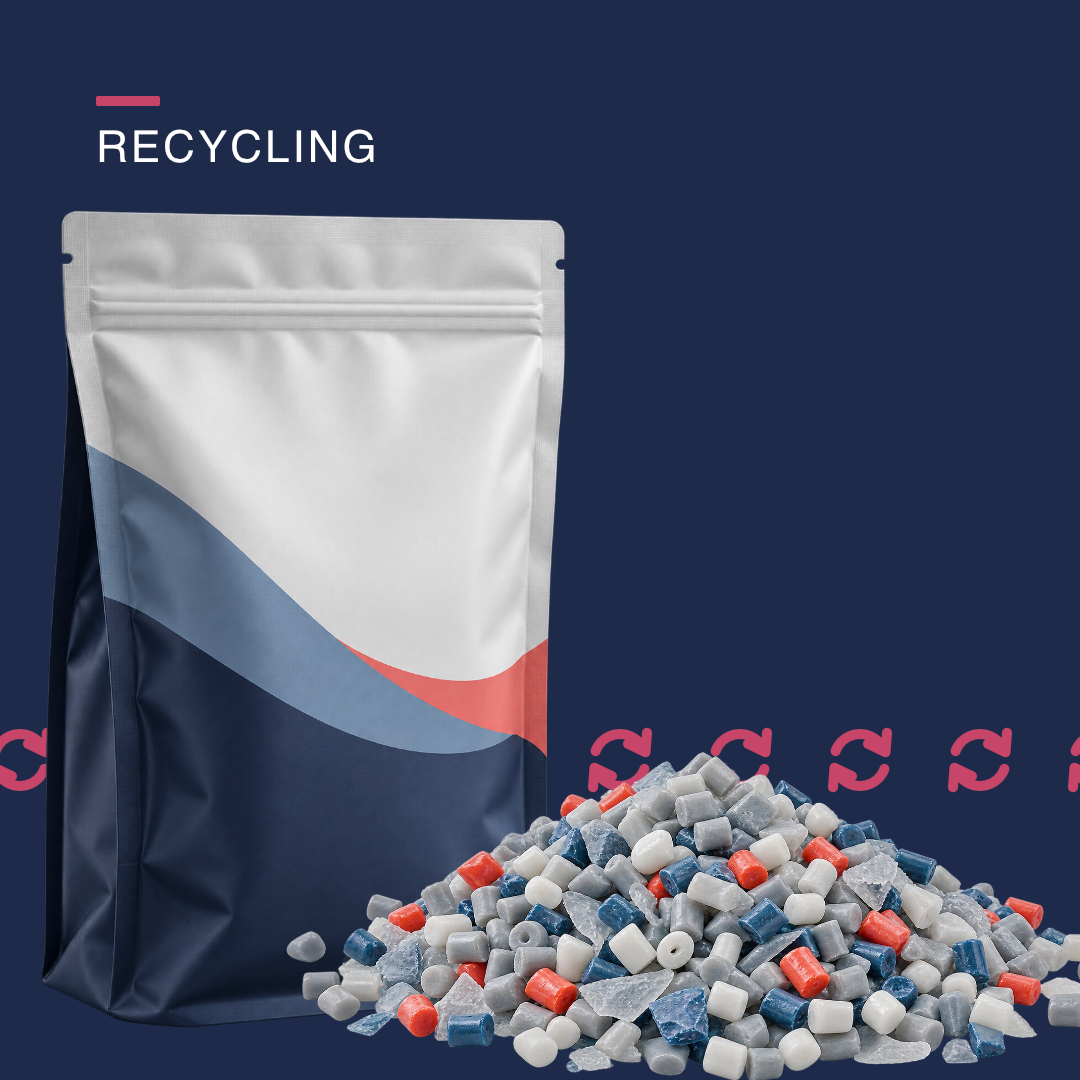
Recycled Content in Packaging: Key Considerations for Food and Cosmetics
Recyclates in packaging play an increasingly important role in the circular economy. However, especially when it comes to food and cosmetics packaging, simply using more recycled plastic is not enough. Safety, material quality, the origin of the recyclate, and legal requirements must also be taken into account. In the Innoform web seminar “Use of Recyclates…
-

Food Packaging Migration Testing: What Companies Need to Know
Food packaging must be safe and must not transfer substances to food in quantities that endanger human health or unacceptably affect the quality of the food. But which legal foundations actually apply? Which food simulants must be selected for migration testing? And how can results from migration tests be properly evaluated? That was precisely the…
-

FlexPack Ticker Week 41: Paper, EPR, Packaging Data and the Limits of Mono-Material
Tetra Pak is developing a paper-based ice cream wrapper, European associations are calling for more harmonized EPR rules and new software aims to simplify PPWR documentation and packaging optimization. At the same time, coffee pouches and a supposedly mono-PP closure show why functionality and recyclability still require a closer look. Tetra Pak tests paper-based ice…
-
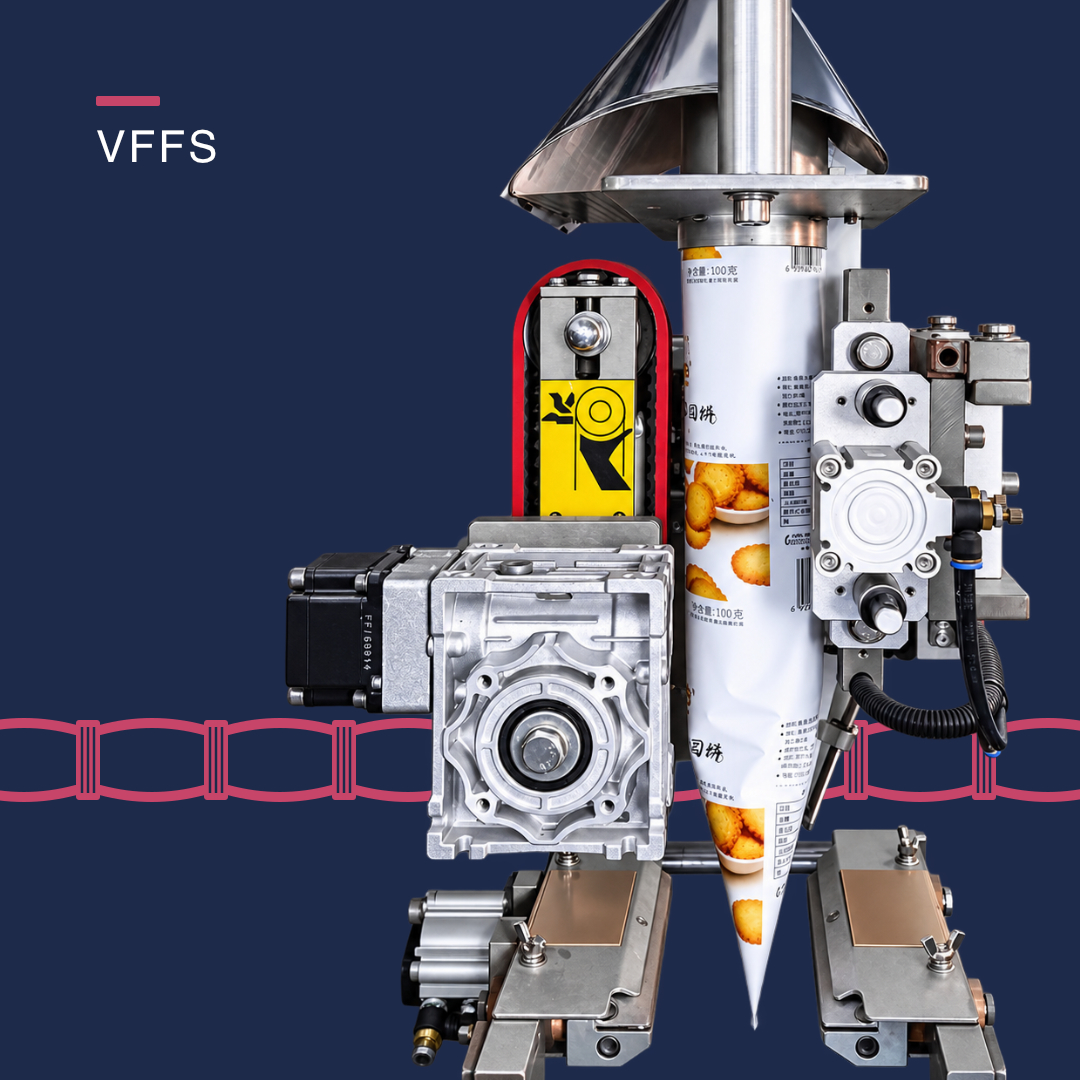
Safe Packaging: The Interplay of Film, Machinery and Product
When packing in flexible packaging, it is not the packaging machine alone that determines a stable process. At least as important are the film construction, its friction, surface, and sealing properties, as well as the respective product being filled. Karsten Schröder demonstrated how closely these factors are linked in the Innoform web seminar “Packaging in…
-
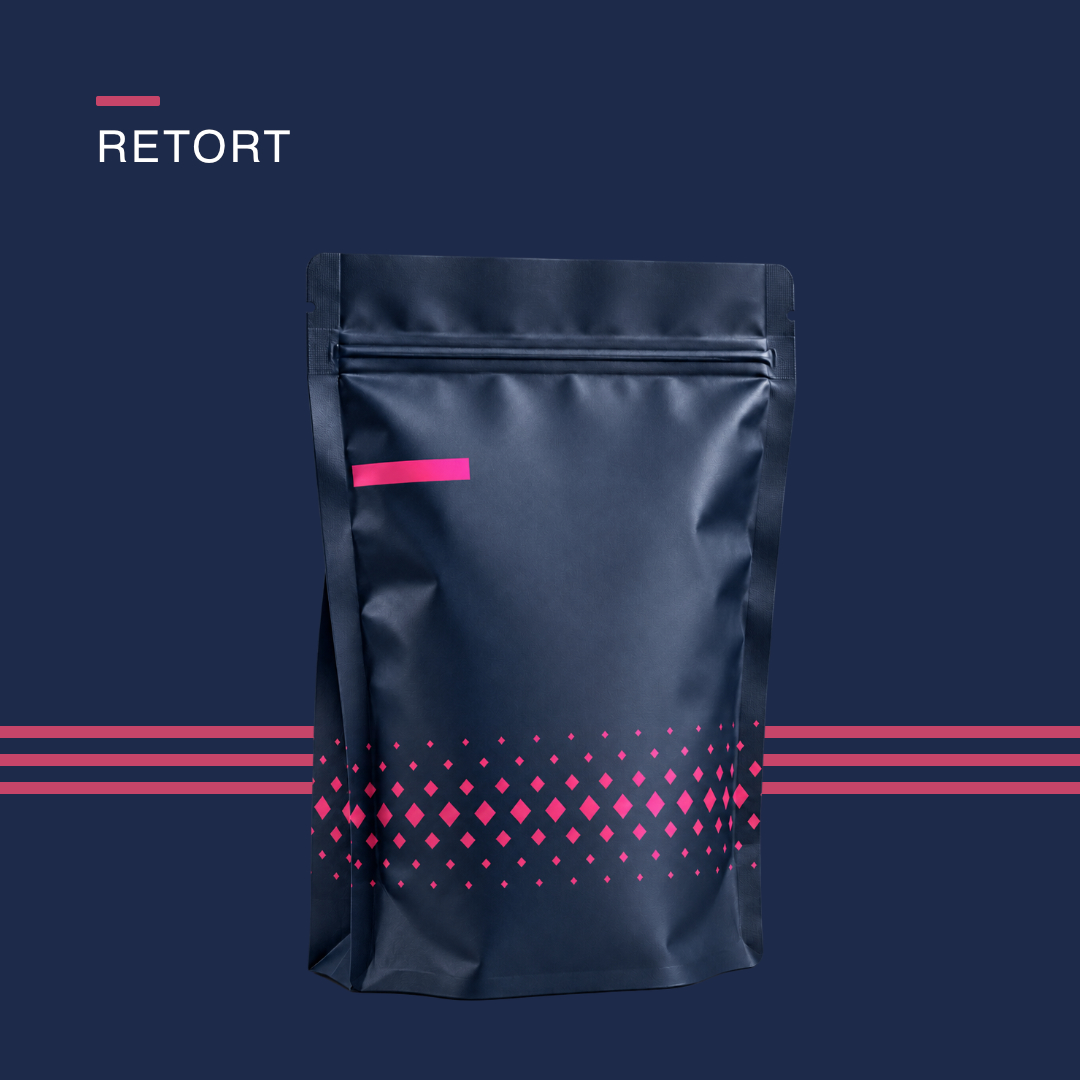
Mono-PP Retort Pouches: What Modern Recyclable Sterilisation Packaging Can Deliver
INNO-Talk ‘Retortable mono-material laminates – Barrier is key’ with KIN GmbH and Toppan Packaging Czech: How SiOx-coated BOPP replaces aluminium in retort pouches, which values matter after sterilisation, and what flexible packaging converters, fillers, and brand owners should do now.
-

19th Amendment to the Plastics Regulation: Transition Period Expiring – What Companies Need to Know Now
The transition period for the 19th Amendment to the Plastics Regulation (EU) No 10/2011 ends on September 16, 2026. In the Innoform web seminar “19th Amendment to the Plastics Regulation (EU) No 10/2011”, Heike Schwertke explained the impact of the new regulations on manufacturers, converters, and users of food contact materials. The focus was on…
-
PET Bottles vs. Stand-Up Pouches
The Duel of High-Performance Architectures Rigid bottle or flexible functional membrane? Based on the successful article series by Dr. Bernd Knierbein and our current, experimental podcast episode, we highlight a key dilemma in packaging technology: How do the two dominant concepts compare directly in terms of manufacturing, sterilization, logistics, and circular economy? In Europe alone,…